Introduction
The Manager – Terminal Service Delivery (TSD) Fire Safety Compliance plays a vital role in maintaining the highest standards of fire safety and regulatory compliance at Dubai International Airport (DXB), Dubai, United Arab Emirates. As one of the world’s busiest international airports, Dubai International Airport handles millions of passengers and thousands of aircraft movements annually, making fire safety management an essential component of airport operations.
Working within the Terminal Service Delivery (TSD) division of Dubai Airports, the Manager – TSD Fire Safety Compliance is responsible for developing, implementing, monitoring, and continuously improving fire safety systems across airport terminals and operational facilities. The role combines technical expertise in fire protection engineering with leadership, regulatory compliance, project management, stakeholder coordination, and emergency preparedness to ensure a safe environment for passengers, employees, airlines, tenants, and airport partners.
The position supports Dubai Airports’ commitment to operational excellence by ensuring that all airport facilities comply with UAE Fire and Life Safety Codes, international aviation standards, and global best practices in fire prevention, emergency response, and risk management.
About Dubai International Airport
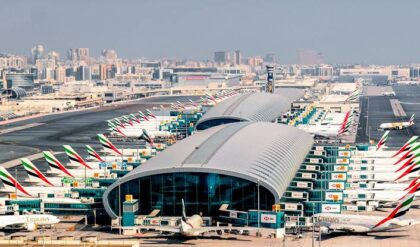
Dubai International Airport (DXB) is one of the busiest international airports in the world and serves as a global hub connecting hundreds of destinations across six continents. Operating 24 hours a day, the airport manages passenger terminals, cargo facilities, maintenance areas, commercial spaces, transport systems, and critical airport infrastructure.
Due to the scale and complexity of its operations, fire safety management requires close coordination between airport management, airlines, emergency services, engineering teams, facility management, government authorities, and regulatory agencies. Every terminal, building, and operational area must comply with stringent fire and life safety requirements while ensuring uninterrupted airport operations.
The Manager – TSD Fire Safety Compliance ensures these objectives are achieved through effective planning, compliance monitoring, stakeholder engagement, and continuous improvement.
Purpose of the Role
The primary purpose of this position is to oversee all fire safety compliance activities within the Terminal Service Delivery division. The manager ensures that Building Fire Safety Plans (BFSPs), corrective actions, inspections, fire drills, audits, and emergency preparedness programs are effectively implemented and maintained throughout airport facilities.
The role also supports the continuous improvement of fire safety systems by identifying risks, implementing preventive measures, coordinating projects, and promoting a proactive fire safety culture among airport employees and stakeholders.
Fire Safety Leadership
Leadership in fire safety is fundamental to airport operations. The Manager provides strategic direction and technical guidance to ensure that fire protection measures are consistently applied across terminals and operational facilities.
Responsibilities include reviewing fire safety performance, monitoring compliance initiatives, supporting operational departments, and ensuring that corrective actions identified during inspections, audits, or incident investigations are completed within agreed timelines.
The manager also represents Terminal Service Delivery during Fire and Life Safety (FLS) meetings, ensuring that fire safety priorities remain aligned with airport operational objectives.
Building Fire Safety Plan (BFSP) Management
One of the most significant responsibilities of the role is managing the Building Fire Safety Plan (BFSP).
The BFSP serves as the comprehensive framework governing fire prevention, emergency response procedures, evacuation planning, fire protection systems, emergency communication, and stakeholder responsibilities throughout airport facilities.
The manager ensures that BFSP documentation remains current, reflects facility modifications, incorporates regulatory updates, and is effectively communicated to all operational stakeholders.
Regular reviews and updates ensure continued compliance with UAE Civil Defence requirements and international fire safety standards.
Regulatory Compliance
Compliance with fire safety regulations is a core responsibility of the Manager – TSD Fire Safety Compliance.
The manager ensures that airport operations comply with:
- UAE Fire and Life Safety Code
- National Fire Protection Association (NFPA) standards
- International Building Code (IBC)
- Airport operational safety requirements
- Local authority regulations
- Internal Dubai Airports policies and procedures
Regular compliance reviews, inspections, audits, and documentation assessments help verify that fire protection measures remain fully effective throughout airport facilities.
Fire Protection Systems
Modern airports rely on sophisticated active and passive fire protection systems to protect passengers, employees, and infrastructure.
The manager oversees compliance relating to systems such as:
- Automatic fire detection systems
- Fire alarm systems
- Sprinkler systems
- Fire suppression systems
- Smoke management systems
- Emergency lighting
- Fire-resistant construction
- Fire compartmentation
- Fire doors
- Emergency exit routes
Continuous monitoring ensures these systems remain operational and fully compliant with applicable regulations.
Risk Assessment and Hazard Management
Fire risk assessment forms a critical component of airport safety management.
The Manager identifies fire hazards associated with terminal operations, commercial activities, maintenance work, electrical installations, fuel storage, baggage systems, kitchens, retail outlets, construction projects, and temporary modifications.
Each identified hazard is evaluated using structured risk assessment methodologies to determine appropriate mitigation measures.
Preventive strategies may include engineering controls, revised procedures, employee training, equipment upgrades, enhanced inspections, or operational restrictions.
Stakeholder Coordination
Airport fire safety requires effective collaboration between numerous organizations.
The Manager works closely with:
- Airport Operations
- Engineering and Maintenance
- Facilities Management
- Airlines
- Emergency Response Teams
- UAE Civil Defence
- Airport Fire Services
- Security Departments
- Commercial Tenants
- Project Management Teams
- Contractors
- Government Authorities
Strong stakeholder communication ensures fire safety requirements are integrated into operational activities without disrupting passenger services.
Fire Drills and Emergency Preparedness
Emergency preparedness is essential within the airport environment.
The Manager coordinates annual fire drills, evacuation exercises, emergency response planning, and stakeholder training to verify operational readiness.
Fire drills help evaluate emergency procedures, communication systems, evacuation effectiveness, incident command coordination, and interdepartmental cooperation.
Lessons learned from each exercise contribute to continuous improvement of emergency response capabilities.
Project Fire Safety Management
Airport infrastructure continuously evolves through renovation and expansion projects.
The Manager reviews facility modifications, construction activities, engineering changes, and operational projects to ensure compliance with fire safety requirements throughout the project lifecycle.
Responsibilities include reviewing design documentation, evaluating fire engineering proposals, conducting technical assessments, participating in project meetings, and verifying compliance before project completion.
Corrective Action Management
Following inspections, audits, or incident investigations, corrective actions must be implemented promptly.
The Manager oversees the complete corrective action process by assigning responsibilities, monitoring implementation, verifying completion, maintaining documentation, and reporting progress to senior leadership.
Effective corrective action management significantly reduces future operational risks.
Fire Safety Awareness and Training
Creating a positive fire safety culture extends beyond regulatory compliance.
The Manager promotes awareness through regular communication campaigns, training sessions, safety briefings, educational materials, and emergency response exercises.
Training topics include:
- Fire prevention
- Evacuation procedures
- Emergency communication
- Fire extinguisher awareness
- Incident reporting
- Building Fire Safety Plan requirements
- Employee responsibilities during emergencies
Well-trained employees contribute significantly to overall airport safety.
Performance Monitoring and Reporting
The Manager prepares regular performance reports for Terminal Service Delivery Leadership, Fire and Life Safety Committees, and Airport Fire Services.
Performance indicators include:
- Completion of corrective actions
- Fire safety inspection results
- Audit findings
- Training completion rates
- Fire drill performance
- Regulatory compliance status
- Building Fire Safety Plan implementation
- Stakeholder engagement
- Risk assessment completion
- Emergency preparedness metrics
Accurate reporting enables informed decision-making and continuous operational improvement.
Qualifications and Professional Experience
Candidates are expected to hold a Bachelor’s degree in Engineering, Fire Protection Engineering, Fire Safety Management, Airports and Aviation Management, or a related discipline.
Professional experience of three to five years in fire safety compliance, airport operations, engineering, project management, or Fire Life Safety is highly desirable.
Knowledge of NFPA standards, International Building Code (IBC), UAE Fire and Life Safety Code, Building Fire Safety Manual development, fire risk assessment, airport operations, project coordination, and regulatory compliance is essential.
Skills and Competencies
Successful professionals demonstrate:
- Fire Life Safety expertise
- Fire protection engineering knowledge
- Regulatory compliance management
- Project coordination
- Leadership
- Risk assessment
- Critical thinking
- Analytical skills
- Stakeholder communication
- Problem-solving
- Decision-making
- Technical report writing
- Microsoft Office proficiency
- AutoCAD knowledge
- Airport operational systems
- Data analysis and reporting
- Team collaboration
- Emergency management
- Continuous improvement mindset
These competencies enable the Manager to lead complex fire safety programs within a fast-paced international airport environment.
Career Opportunities
This position provides excellent opportunities for advancement into senior airport leadership roles, including:
- Senior Fire Safety Manager
- Airport Safety Manager
- Head of Fire Life Safety
- Airport Compliance Manager
- Terminal Operations Manager
- Airport Operations Manager
- HSE Manager
- Director of Safety and Compliance
- Airport Infrastructure and Engineering Manager
As airport infrastructure expands and international safety requirements continue to evolve, experienced fire safety professionals remain highly valued throughout the aviation industry.
Conclusion
The Manager – TSD Fire Safety Compliance at Dubai International Airport (DXB) is a strategic leadership position responsible for protecting passengers, employees, airport assets, and critical infrastructure through effective fire safety management and regulatory compliance.
By overseeing Building Fire Safety Plans, managing fire protection systems, coordinating emergency preparedness, ensuring compliance with NFPA, IBC, and UAE regulations, leading stakeholder collaboration, and promoting continuous improvement, the manager contributes directly to maintaining Dubai Airports’ reputation as one of the safest and most efficient international airports in the world.
This role represents an exceptional opportunity for experienced fire safety professionals to contribute to world-class airport operations while supporting the continued growth and operational excellence of Dubai International Airport.